
Best Tumble Dryers 2026: Which Should You Choose?
[vc_row][vc_column][vc_column_text css=””]
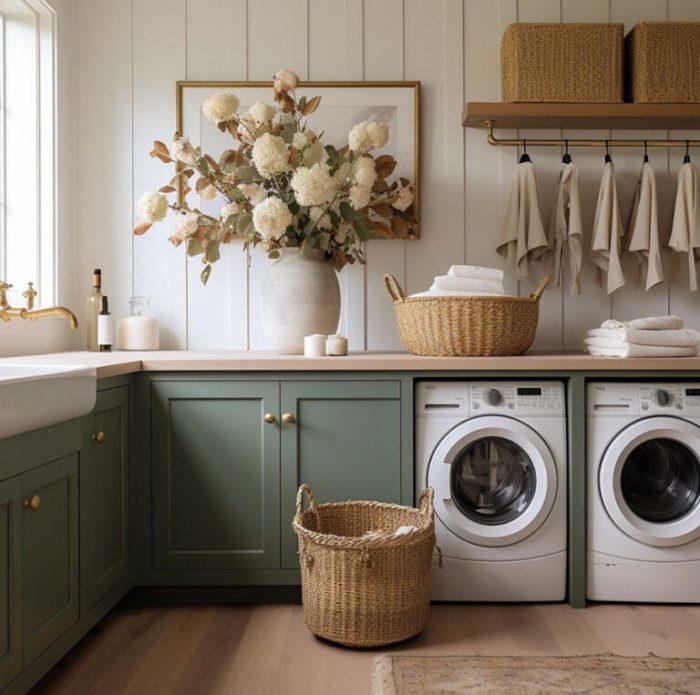
Picking a tumble dryer shouldn’t be guesswork. Think of this guide like an online showroom walk‑through: we’ll explain the technology, compare Heat Pump vs Condenser models, help you choose the right drum size, and match the dryer to where it will live (enclosed cupboard, utility room, flat, basement). Along the way, we’ll talk about running costs, smart features, noise, and we’ll share Top Picks from our current stock with direct links so you can shortlist fast.
Types of Dryers Explained
Heat Pump Dryers
Imagine a Thermos that keeps heat inside the system and reuses it. That’s basically a heat pump dryer: it runs a closed‑loop, recirculating warm air through your clothes, condensing the moisture, then reheating and reusing that same air instead of constantly generating new heat. This low‑temperature approach is gentler on fabrics and significantly cuts electricity use compared with traditional element‑heated drying.
Heat‑pump dryers typically operate at lower drum‑air temperatures (around ~50 °C) versus ~70–75 °C in conventional element‑heated drying, which is why they’re kinder to clothes and more efficient. Because they recycle warm air rather than venting it away, they can use up to ~60% less energy than a standard condenser model, depending on load and programme.
Pros: Uses up to 40–60% less energy, Gentle on clothing, Works well in low‑ventilation spaces
Cons: Higher upfront cost, Slightly longer cycles
Condenser Dryers
Condenser dryers use a heating element to warm air, pass it through the drum to absorb moisture, and then condense that moisture into a tank (or drain it away). No external vent is required, which is why they’re popular for flexible placement. In the UK market, many condenser models sit around B energy ratings, and they typically dry faster than heat‑pump models but use more electricity to do so.
Think of a condenser dryer as a fan heater aimed at your laundry: quick to warm up and effective, but not the most frugal way to use energy compared with a heat‑pump cycle that recycles heat.
Pros: Can go almost anywhere, Good drying times, Ideal for utility rooms
Cons: Warms up the room more than heat pumps, Higher energy use than heat pump models
Drum Size Guide
| Drum Size | Best For |
| 7-8kg | Singles, couples, light use |
| 9kg | The sweet spot for most homes; handles mixed loads, towels and bedding without cramming |
| 10kg+ | Large families, bulky loads and fewer cycles per week |
Quick rules:
-
-
- Match or exceed your washer’s drum (e.g., 9 kg washer → 9–10 kg dryer) for smoother, faster drying.
- If you dry king‑size bedding regularly, lean 9–10 kg+ to keep airflow high and creasing low.
-
Choosing Based on Your Space
Enclosed cupboard / small utility: Choose Heat Pump. Its lower exhaust warmth and recirculating design make it more comfortable in tighter spaces; just leave recommended clearances and crack the door during/after the cycle for airflow.
Flats / open‑plan: Heat Pump’s lower operating temps and gentler airflow can feel quieter and less “hot” in living spaces. (Still check dB ratings if noise is a priority.)
Utility rooms: Either Condenser or Heat Pump. If your utility gets warm already, a heat pump’s cooler running can help; if you want quicker standard cycles at a lower upfront cost, a condenser remains a solid pick.
| Space | Recommended Dryer Type | Why |
| Enclosed cupboards | Heat Pump | Low heat output, no vent needed |
| Open-plan areas/near bedrooms | Heat Pump | Quieter, cooler |
| Garages/outbuildings | Heat Pump | Only if heated or insulated |
| Flat/no outside wall | Heat Pump or Condenser | Zero venting needed |
Running Costs & Energy Efficiency
-
-
- Heat Pump → lowest running costs
- Condenser → mid‑range
-
Typical behaviour differences: lower‑temperature drying = gentler on fabrics and lower energy, with some cycles taking longer than a like‑for‑like condenser programme, a trade‑off UK buyers often accept for the bill savings.
Real‑world savings boosters (easy wins):
-
-
- Use sensor‑dry cycles so the machine stops when moisture hits the target. (Most modern heat‑pump and many condenser models include this.)
- Maximise spin on the washer first; every extra 200–400 rpm reduces dryer time disproportionately.
- Keep filters and the evaporator clear; manufacturers note performance and efficiency depend on regular cleaning.
-
Features That Actually Matter (and why)
Moisture / Sensor Drying: Prevents over‑drying (better for fabrics and bills). Many reputable UK brands highlight this as a core benefit.
Drain‑hose option (for heat‑pump/condenser): Skip emptying tanks and keep cycles hassle‑free, especially in basements or cupboards where access is tight.
Reverse tumble: Untangles, reduces creases, and improves even drying.
Dedicated programmes: Bedding/duvet, wool, mixed load, and quick refresh help you avoid guesswork.
Noise Levels
If installing near bedrooms or open‑plan living areas, look for:
-
-
- Inverter motors
- Quiet cycles
- ≤65 dB(A) operating noise
-
Quick Pick Recommendations
-
-
- Small/enclosed spaces (cupboards, flats): Heat Pump first; a compact condenser can work if you prefer it and can maintain airflow and access to drain/tank.
- Simplest installation & balanced speed: Choose Condenser.
- Lowest running costs: Choose Heat Pump (especially for frequent drying).
- Large families: Go 9–10 kg+ to keep airflow high and creasing low.
-
Common FAQs
Are heat‑pump dryers actually slower?
They can take longer on Eco/standard cycles because they run at lower temperatures, but they repay you in energy savings and gentler fabric care. Many models also offer mixed/quick cycles for everyday loads.
Do heat‑pump or condenser dryers make rooms damp?
No. They condense moisture into a tank or drain it away rather than exhausting it into the room, which is why they don’t require an external wall vent.
What maintenance actually matters?
Empty the tank (or plumb a drain), clean the lint filter every cycle, and keep the evaporator/heat‑exchanger clear per the manual to preserve performance and efficiency.
Top Picks From Our Stock
We’ve simplified your choice into two real‑world categories. Click any model to view details.
Energy-Saver Pick (Heat Pump)
Bosch
WQG24509GD

-
-
- Capacity: 9kg
- Energy Rating: A++
- Heat Pump
-
AEG
TR708L0B

-
-
- Capacity: 8kg
- Energy Rating: A++
- Heat Pump
-
Smeg
DNP83SEUK

-
-
- Capacity: 8kg
- Energy Rating: A+++
- Heat Pump
-
Budget-Friendly Options
Ideal for when the budget is tighter, but you still want solid options. Or perhaps, you’re just looking for a second dryer to support the main one you already have at home.
Hotpoint
CHDC82WWGDUK

-
-
- Capacity: 8kg
- Energy Rating: B
- Condenser
-
Hotpoint CHDC92WWGDUK

-
-
- Capacity: 9kg
- Energy Rating: B
- Condenser
-
Midea
MDG09EH80

-
-
- Energy Rating: A++
- Capacity: 8kg
- Heat Pump
-
-
Conclusions
If you’re still undecided, start with where your dryer will live and how often you’ll use it. Need a hand? Message us with your space measurements and typical weekly load or pop-in-store, and we’ll shortlist the right models and sort the details so installation is painless.
[/vc_column_text][/vc_column][/vc_row]

1 Comment
We have a small flat with limited space for a condensing tumble dryer. There are a lot of small flats in Jersey. Can you not do a small 3 or 4 kg tumbler dryer. Table top or for limited space