
How Smartwatches Can Support Mental Wellness (And How To Use Them Better)

Mental wellness is no longer just about switching off – it’s about understanding how your body responds to everyday stress, sleep and recovery. Today’s smartwatches, including the Apple Watch and Samsung Galaxy Watch, offer more mental wellness support than many people realise.
Once designed purely for fitness, smartwatches now include tools that help users manage stress, improve sleep, build emotional awareness and create healthier daily habits, all from the wrist.
According to a 2025 systematic review published in Algorithms, smartwatches are particularly effective at supporting stress awareness, self-regulation, and wellbeing when used consistently and thoughtfully.
Stress Tracking That Works in the Background
Modern smartwatches track stress using physiological signals such as:
-Heart rate
-Heart Rate Variability (HRV)
-Breathing patterns
Rather than asking users to manually log stress, these readings work quietly in the background, building a picture over time.
Supported models
-Apple Watch SE (3rd Gen)
-Apple Watch Series 11
-Apple Watch Ultra 3
-Galaxy Watch 8
-Galaxy Watch Ultra
Why this matters for mental wellness
Research shows that stress trends over time are far more useful than one-off alerts. This helps users:
-Identify hidden stress before burnout
-Understand which habits increase stress
-Take earlier, calmer action
Don’t check stress data constantly. Look for weekly or monthly patterns instead.
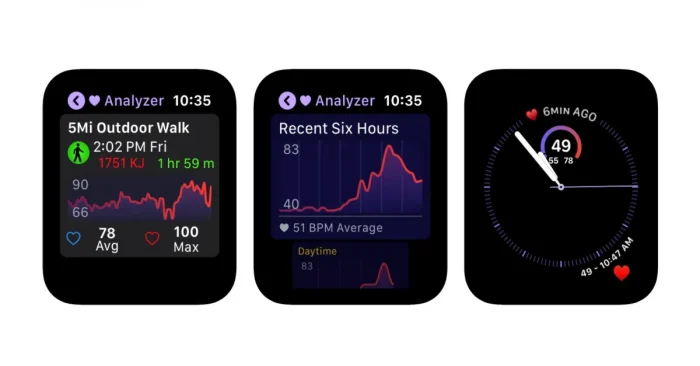
Heart Rate Variability (HRV): An Underrated Mental Health Signal
HRV measures small variations in time between heartbeats and is closely linked to how well the nervous system handles stress.
What HRV can indicate
Lower HRV over time → emotional overload or poor recovery
Improving HRV trends → growing resilience
All Apple Watch and Galaxy Watch models listed automatically track HRV trends.
It’s best to focus on changes over time and pair HRV insights with rest days, lighter evenings or gentle movement.
The MDPI review highlights HRV as one of the most reliable biomarkers for stress detection using smartwatches.
Guided Breathing When You Actually Need It
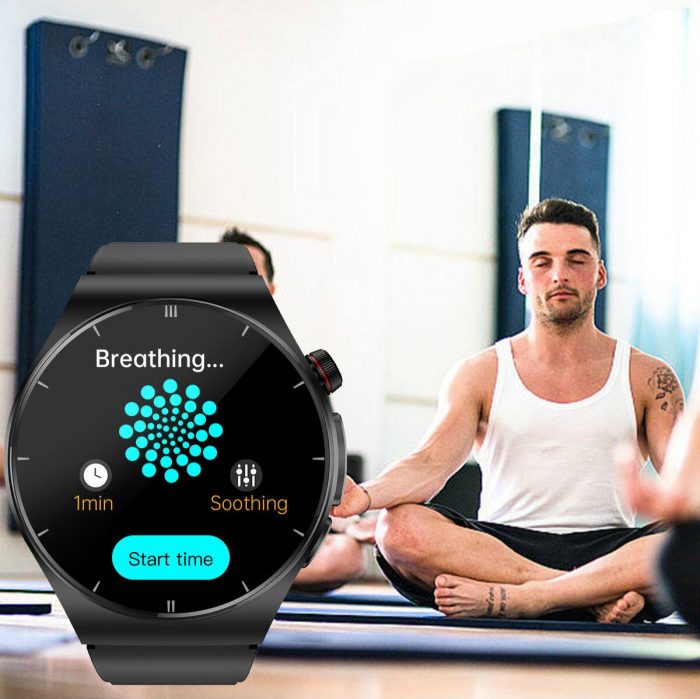
Both Apple Watch and Galaxy Watch include built‑in breathing exercises, but many users only discover them by accident.
How the help
-Slow breathing activates the body’s calming response
-Reduces physical symptoms of stress
-Improves emotional regulation
Galaxy Watch models can suggest breathing automatically when stress rises, while Apple Watch shows real‑time heart response during sessions.
Use breathing sessions during stress, not just before bed; even 1-2 minutes makes a difference.
Studies show breathing exercises paired with physiological feedback are more effective than passive meditation alone.
Sleep Tracking for Emotional Balance (Not Perfection)
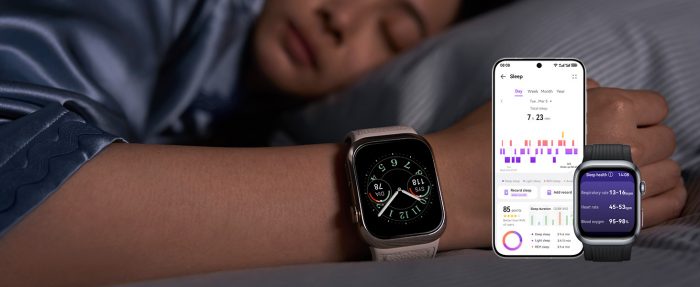
Sleep affects mood, anxiety, focus, and resilience.
Smartwatches analyse:
-Sleep duration
-Sleep consistency
-Night‑time recovery patterns
Supported models
-All Apple Watch models listed
-Galaxy Watch 8
-Galaxy Watch Ultra
Why this matters
The MDPI review confirms that sleep monitoring helps users understand mental fatigue and emotional recovery, not just physical rest. Instead of chasing “perfect sleep scores”, focus on consistent bedtimes and recovery trends
Movement Reminders That Support Mental Health
Physical movement is strongly linked to better mood and reduced anxiety.
Smartwatches encourage this through:
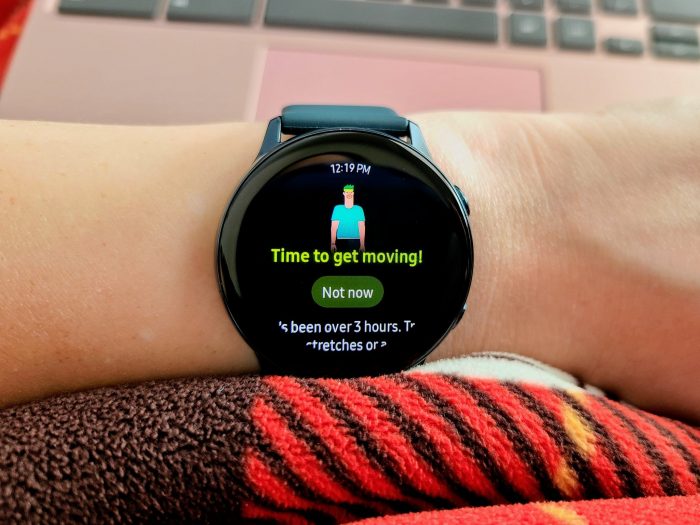
-Stand reminders
-Gentle inactivity nudges
-Daily movement goals
Why small movement matters
Short movement breaks can:
-Interrupt stress cycles
-Improve focus
-Increase emotional energy
Research shows activity reminders support both physical and mental wellbeing when framed gently, not competitively. Keep in mind to treat reminders as a reset, not a task. A short walk or stretch is often enough.
Focus & Notifications Controls to Reduce Mental Overload
One surprising mental wellness benefit is less phone use.
Apple Watch Focus modes and Galaxy Watch notification controls help users:
-Reduce constant interruptions
-Separate work and rest
-Stay present
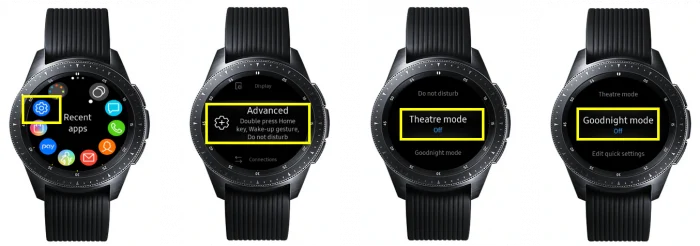
Create a “Work” or “Wind‑Down” focus mode and silence non‑essential alerts during rest time. For example, Samsung lets you choose a “mode” based on what you’re doing or where you are, and your settings will change to match your activity or situation. A mode I often use is “Work”, which turns on automatically every time I’m near my workplace for a set time period. This allows me to stay focused and avoid distractions from apps and notifications, and even change the appearance to help me set the mood.
Researchers warn that excessive alerts can increase anxiety, making personalisation essential.
Why Consistency Matters More Than Features
The MDPI study emphasises that smartwatches work best over time, simple habits beat complex data, and personalisation reduces anxiety.
This means even entry-level models like Apple Watch SE can support mental wellbeing when used consistently.
Frequently Asked Questions
Can smartwatches really help with mental wellness?
Yes. Research shows they support stress awareness, emotional regulation, and healthier habits when used as self‑management tools, not medical devices.
Is more data always better?
No. Researchers caution that too many alerts or metrics can increase anxiety. Personalisation is key.
Which smartwatch is best for mental wellbeing?
All models listed offer mental wellness support. The best choice depends on whether you prefer simplicity (Apple Watch SE) or deeper trend tracking (Series 11, Ultra, Galaxy Watch Ultra).
Final Takeaway
Mental wellness doesn’t improve overnight – it improves through small, consistent awareness-building habits. A smartwatch can help you achieve this by detecting stress early, encouraging recovery, improving sleep awareness, and reducing digital overload. Often, without demanding your attention.
Sometimes, the most helpful mental health tools are the ones working quietly in the background.

Comments are closed here.